Rose Rocket
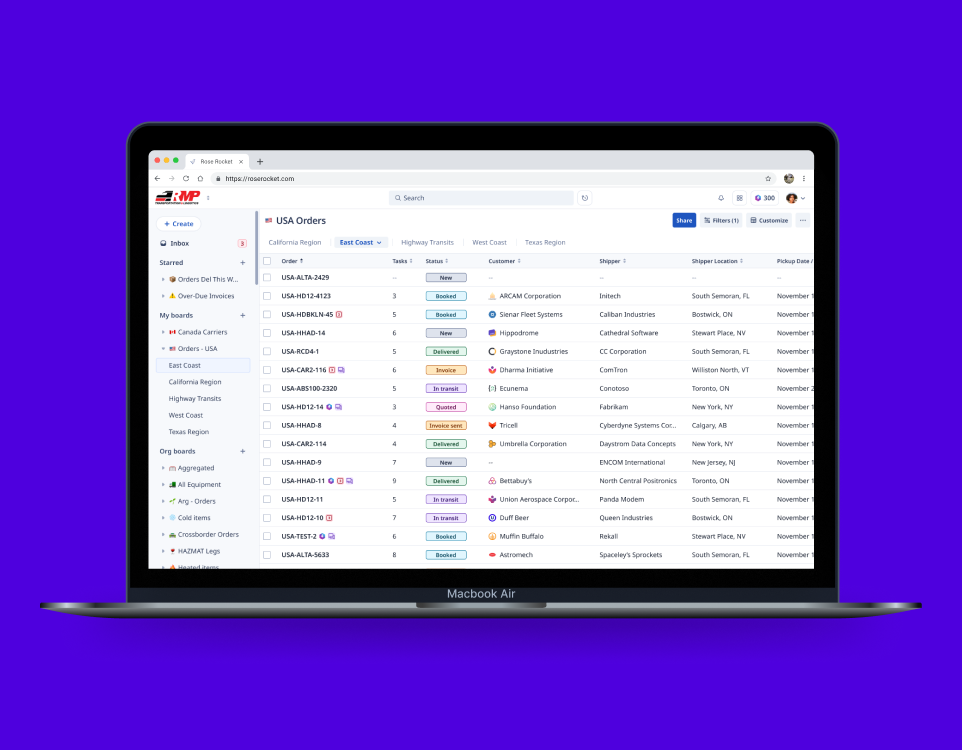
Rose Rocket Platform
Re‑imagining a transportation management system to make freight operations more flexible, navigable, and editable in context for shippers, brokers, and carriers.
Overview
Rose Rocket is a transportation management system (TMS) used by shippers, brokers, and carriers to manage freight operations. Over time, the platform had become rigid: workflows were hard to adapt, navigation was cumbersome, and users couldn’t easily edit data in place.
This project focused on redesigning the core platform to better match how teams actually work day‑to‑day—while keeping the system modular and scalable.
Problems
How might we enable customers to work more naturally and efficiently—reducing rigidity, improving navigation, and supporting editable workflows that fit their real‑world operations?
Challenges with the platform
During the start of the project we weren't able to recruit customers to speak to, so the next group of people to talk to is our sales and customers solution team. We spoke to them directly to hear the challenges that our customers face with our existing product.
Here's what we heard:
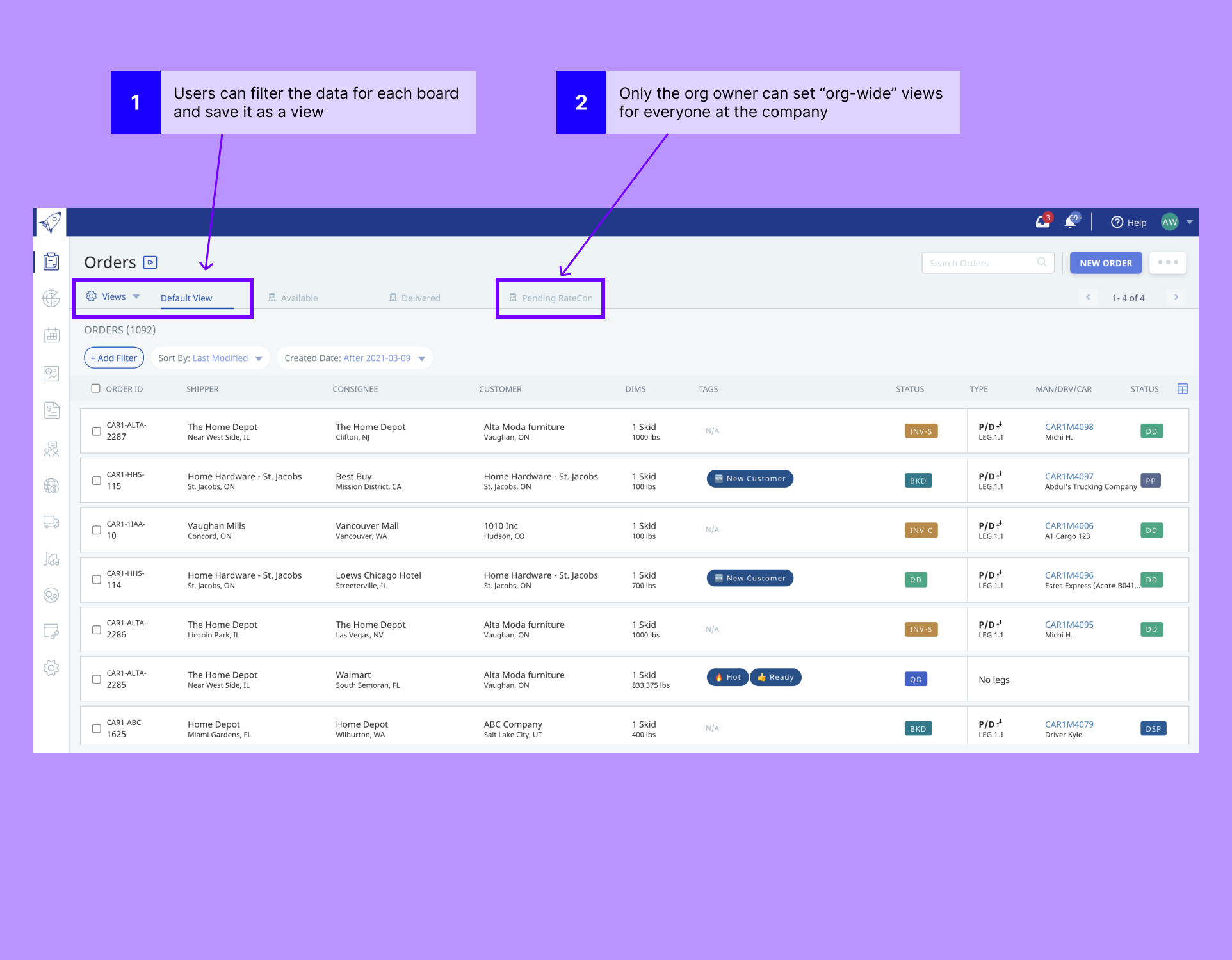
- Customers find that searching and filter for views in the shipments module is cumbersome
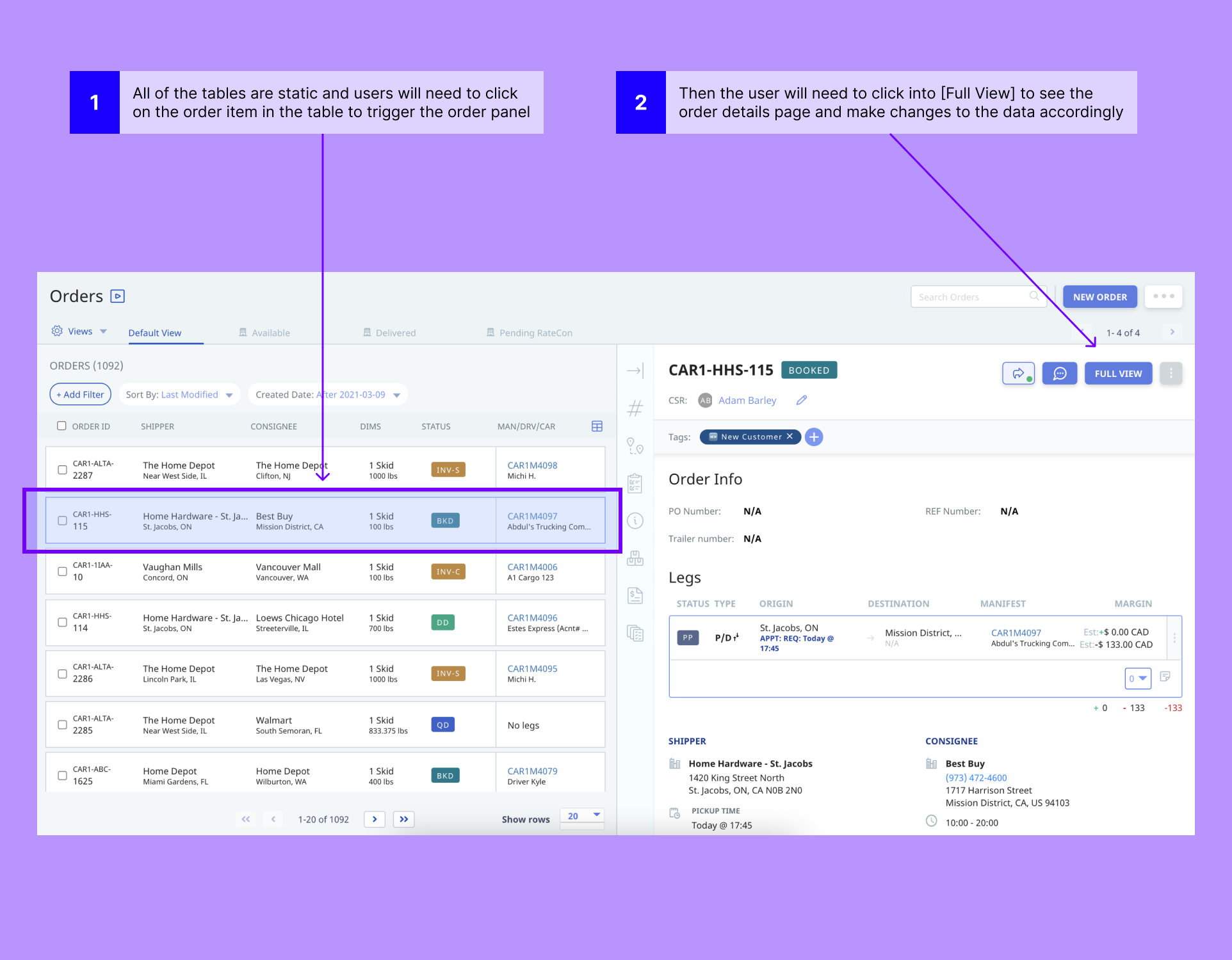
- Customers complain how tables in every module is static making it difficult to edit cell data on the spot when they need to
- Customers forget to close their tabs all the time resulting them in getting lost as to which shipment they are focused on
Systems and flows
On our project, we had a set of design constraints we followed:
- All of the different existing object types should share the same exact layout
- Keep users inside the platform as much as possible
- Evolve the tables to be more than just static tables
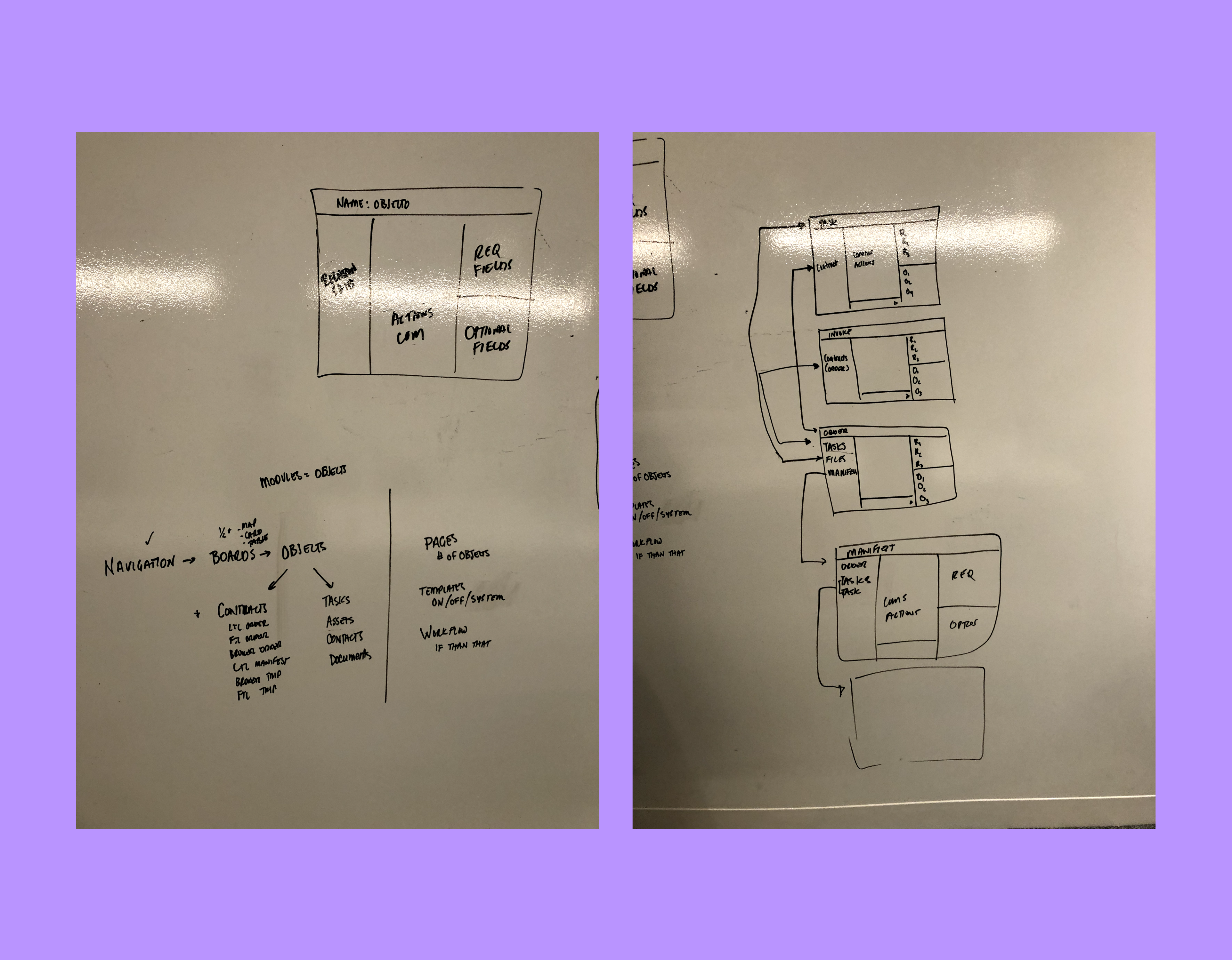
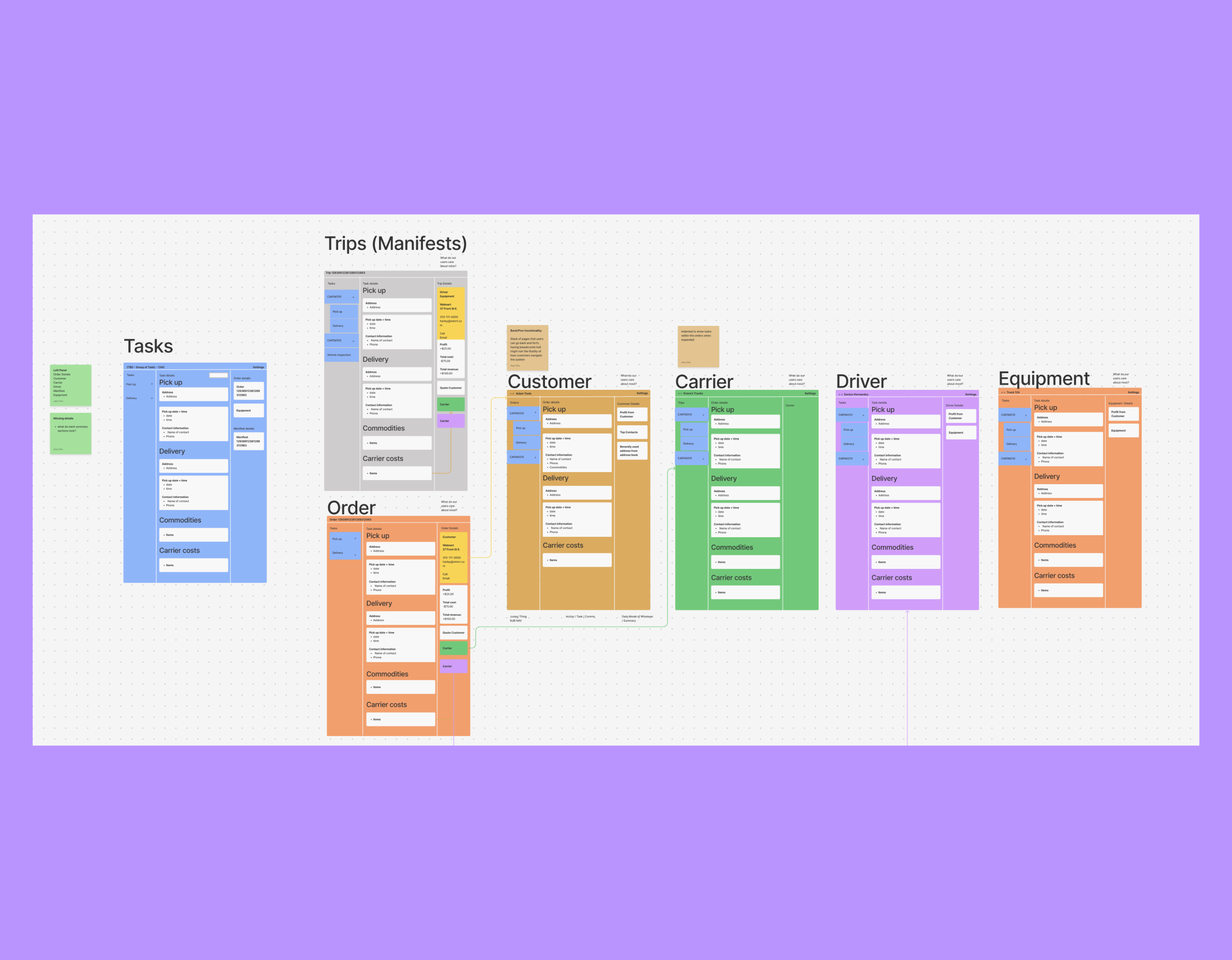
With those constraints in mind, I started to map out all the objects and figure out how they can relate and connect to one another and share field data.
We refined the systems diagrams and mapped out flows over and over again until we gained more clarity as a team as the pieces start to come together.
Design
By using the existing design system as a foundation, we were able to take the existing components and modify it to fit our design vision, allowing us to ground all of our design thinking through high-fidelity screens to share progress and concepts with our stakeholders.
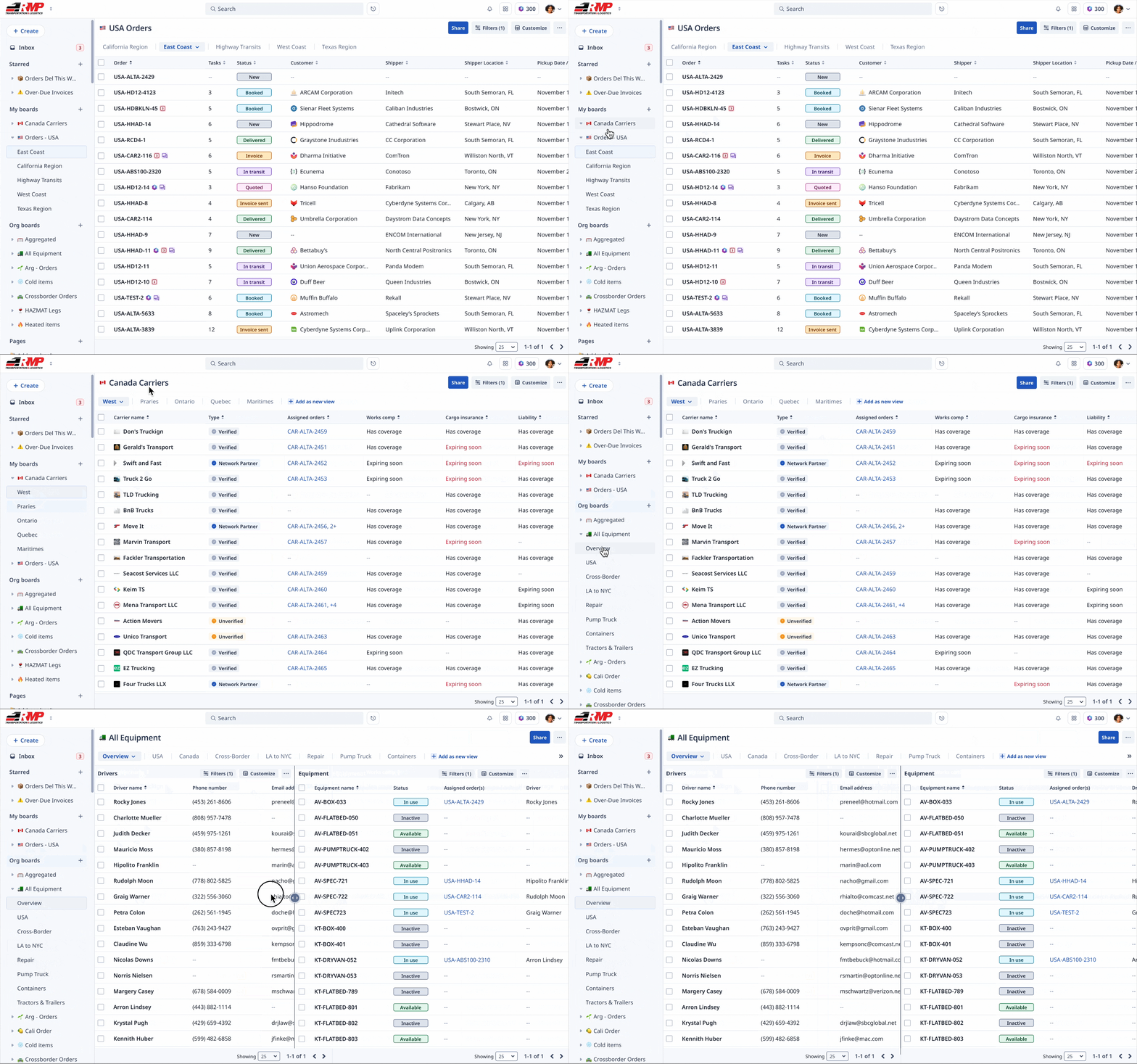
Boards
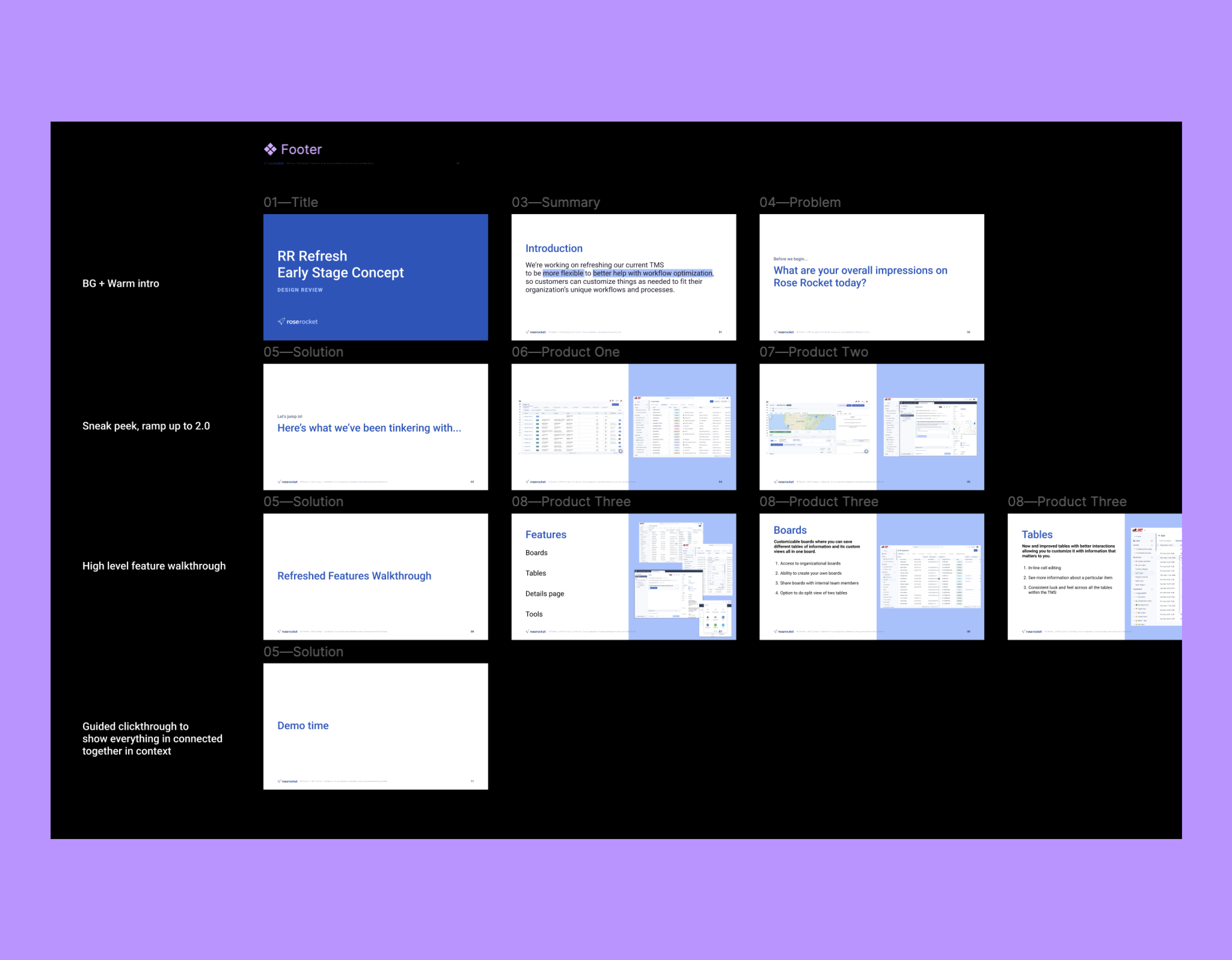
Configurable, shareable boards that let teams save views of orders with specific filters and columns, and hand off work when someone is out.
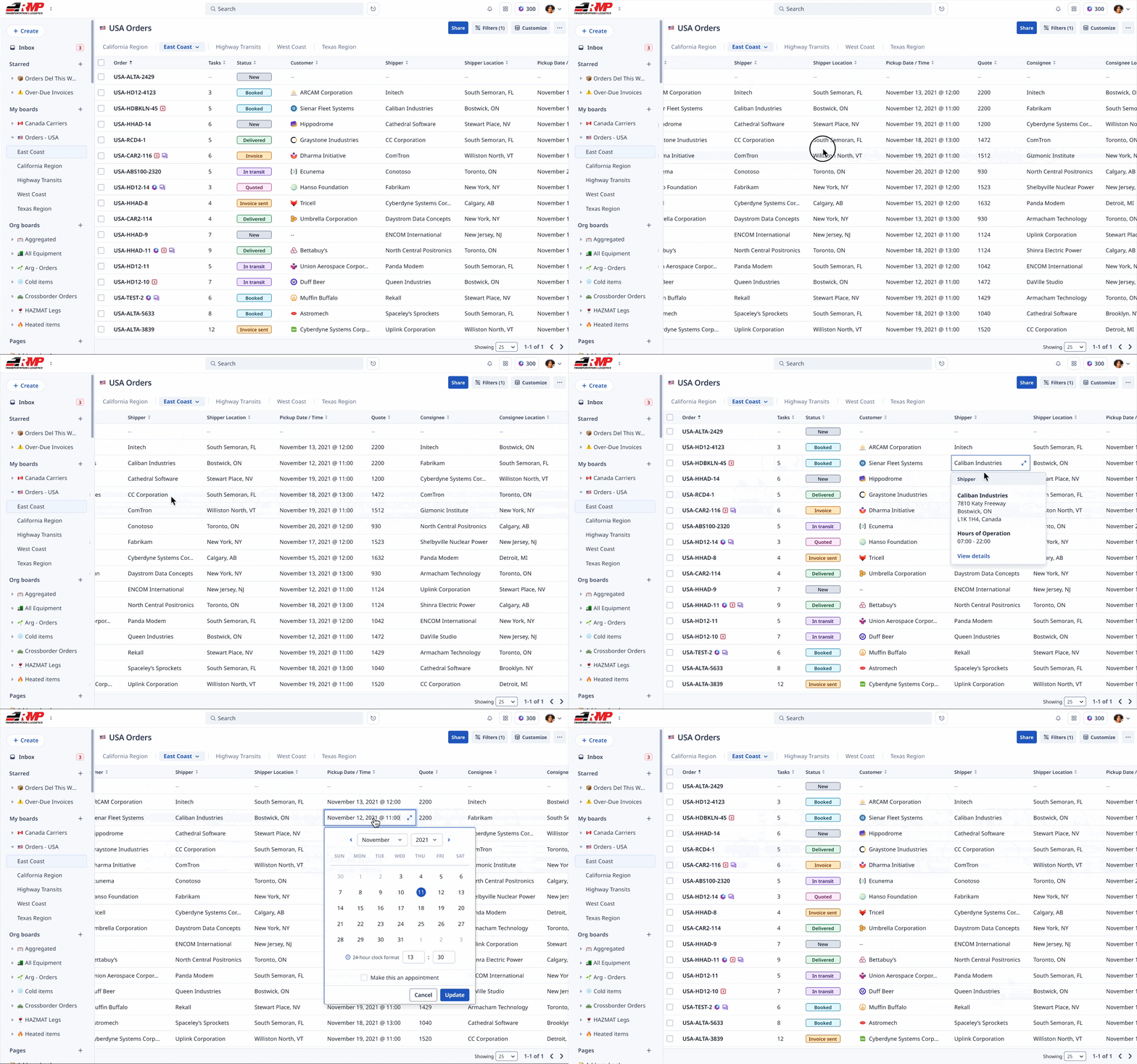
Tables
Refreshed interactive tables where users can click to view details and double‑click to edit cells directly, reducing the need to dive into each order.
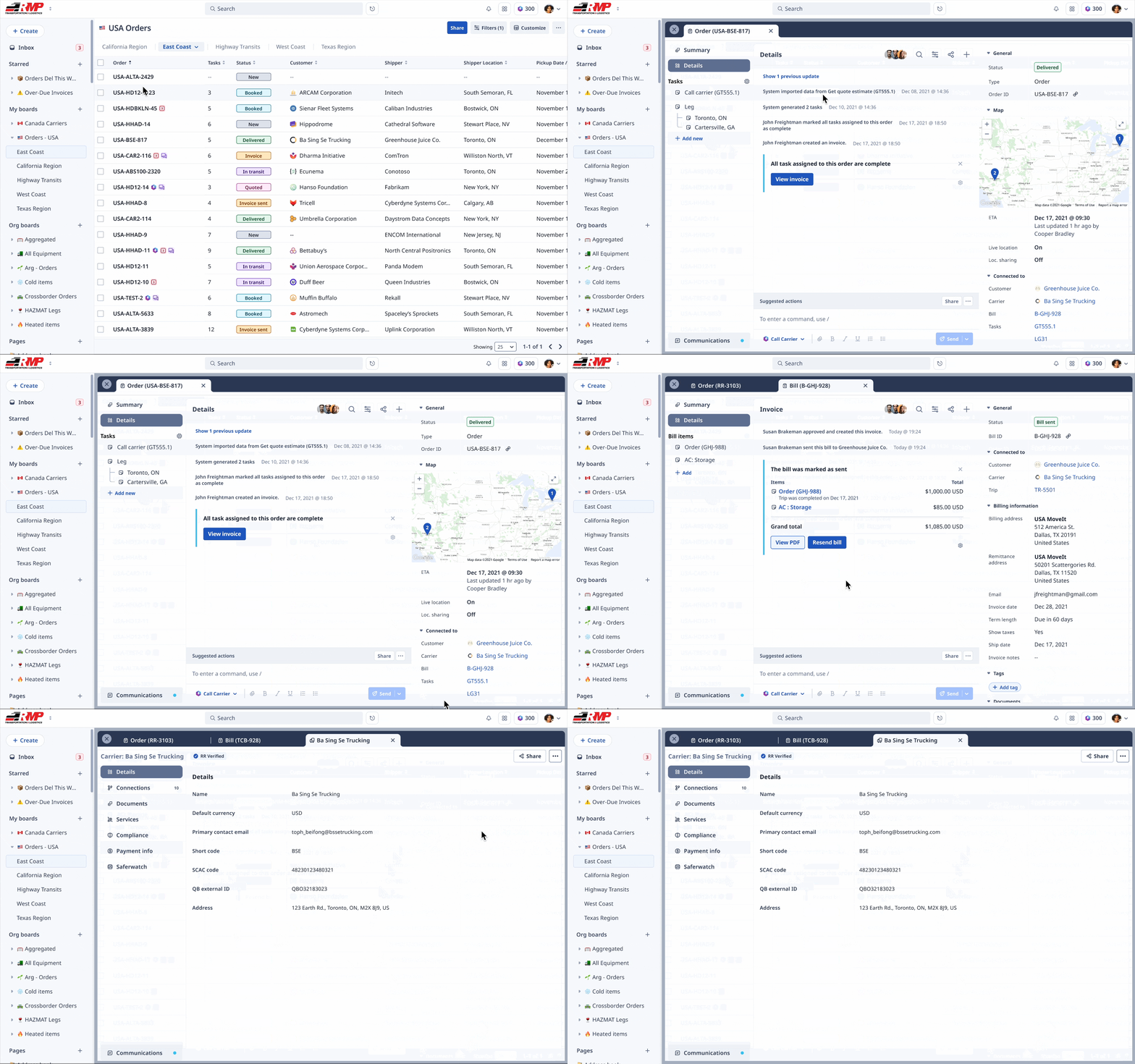
Tabs and detailed pages
A tabbed experience that keeps users inside the portal, lets them open multiple orders side‑by‑side, and trace back through the trail of what they’ve opened.
Customer testing
We stitched the redesigned flows into a clickable prototype and tested with customers to gather first impressions and validate direction. These sessions both built trust (“we’re listening and acting on your feedback”) and helped us calibrate before a full build.
What we heard:
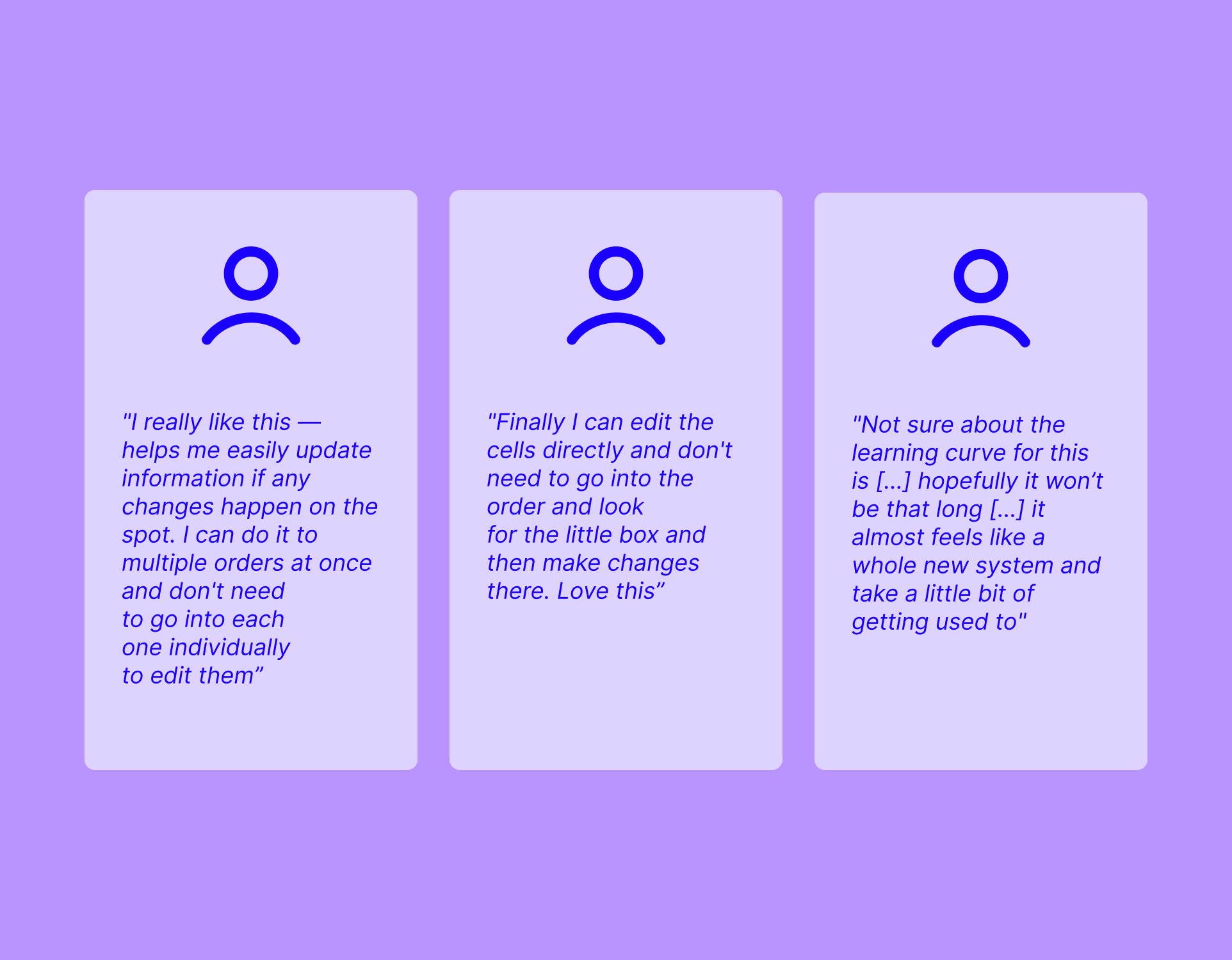
- The updated tables were a clear favourite—customers appreciated being able to edit multiple orders quickly without drilling into each one.
- Shared boards made it easier to collaborate and cover for teammates, especially during vacations or busy periods.
-
The learning curve will be steep for our customers as this new platform will be using a new system.
Not sure about the learning curve for this is … hopefully it won’t be that long... it almost feels like a whole new system and take a little bit of getting used to
Rollout strategy & platform team
Based on the feedback, I recommended a dedicated platform team paired with an opt‑in beta program. This would let interested customers adopt the new experience at their own pace while keeping the existing TMS stable for everyone else.
After we finalized the concept further, Rose Rocket formed a small platform engineering team to build the new foundation. I provided ongoing design support as they ramped up, answering questions and helping translate the system into implementation details.
Lessons
- Designing within strict system‑level constraints pushed me to think about how every UI decision impacts the larger platform—not just a single screen.
- With limited time for direct customer research, leaning on cross‑functional teammates who speak to customers daily was critical to grounding decisions.
- Frequent check‑ins across design, product, and engineering kept the project aligned and moving despite the tight timeline.
- This was a massive project that should've taken at least a year or two to complete but with the pressured timeline, as a team we were able to push our thinking further and iterate on ideas quickly to get all of the design and interaction fundamentals in place. There's still a lot of work to do like testing with customers again, and refining the core experience to make sure it is solid but the concept with all of its moving parts is there.
Acknowledgements
My design partner in crime, Jane Tran, for her relentess work and energy as we navigated this highly ambitious and ambigous project during the first year of working together at Rose Rocket.
To the sale and customer solutions team for giving me feedback and insights into the challenges our customers face as well as answering all of my trucking and logistics related questions.